
Call This Thursday to Get $50 Off Any service over $500

Do You Need a Local Plumber in Waco, TX?
Call us Now to Get $35 OFF.
Call This Thursday to Get $50 Off Any service over $500
Do You Need a Local Plumber in Waco, TX?
Call us Now to Get $35 OFF.

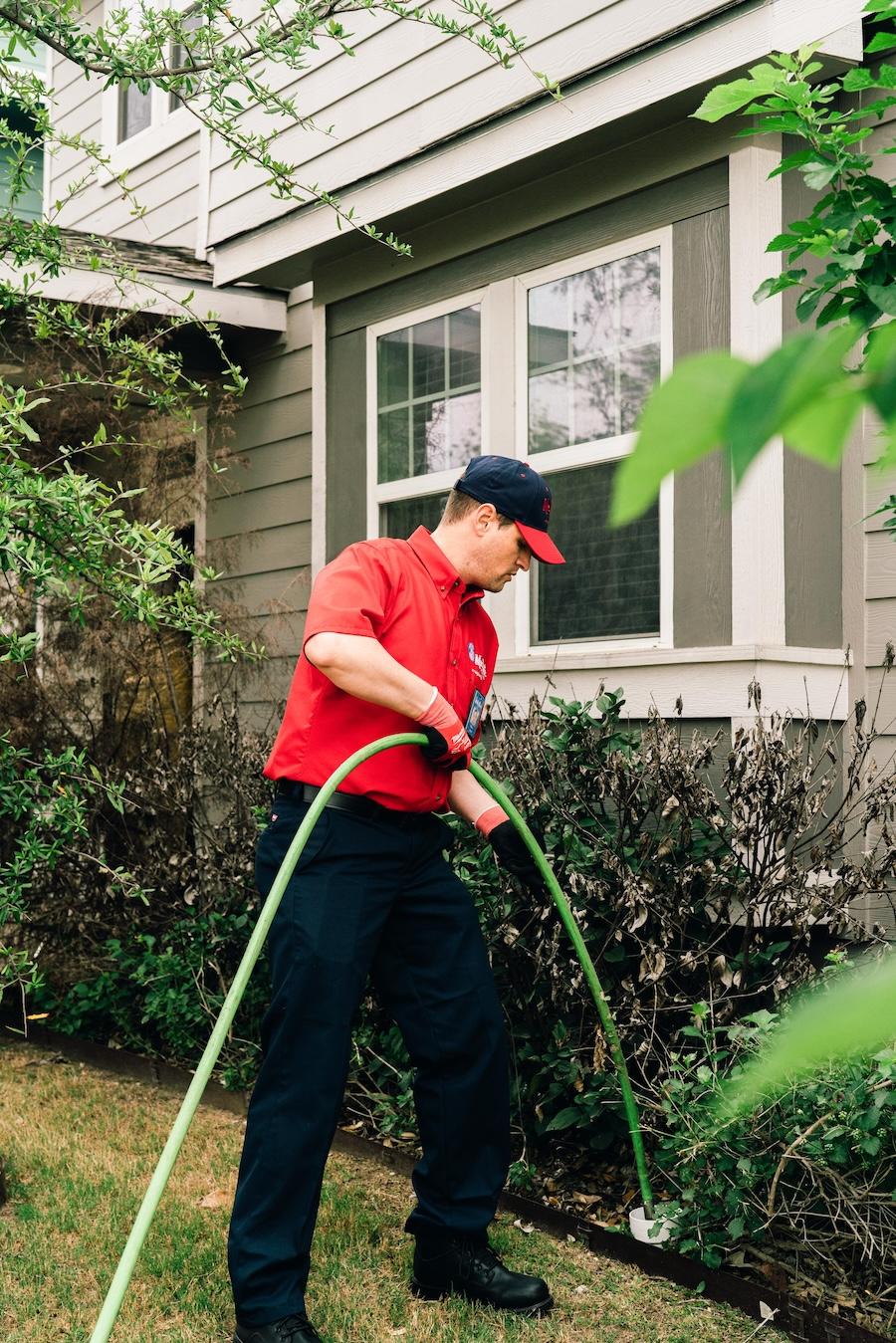
There are two common methods used to clear clogged drains: hydro jetting and traditional drain cleaning. As plumbers who specialize in drain cleaning and sewer line cleaning, we can tell you that these methods aren’t created equal.
In this post, we’ll break down the differences between hydro jetting and traditional drain cleaning.
Traditional drain cleaning has been the go-to solution for many homeowners for decades. It relies on mechanical tools such as drain snakes, handheld plungers, and a combination of baking soda and white vinegar. This drain cleaning approach works for minor clogs caused by bits of food waste, soap scum, and loose debris near the drain opening. However, traditional drain cleaning has some drawbacks.

Hydro jetting is a more advanced and powerful drain cleaning method. It uses high-pressure water to blast away clogs and clean the interior walls of pipes. A specialized hose with a multi-directional nozzle is inserted into the drain line. The pressurized water scours the pipe walls to remove grease, tree roots, mineral scale, and years of accumulated debris.
Hydro jetting is beneficial for severe or recurring blockages and for commercial properties where grease buildup is common.
The right choice depends on the severity of the clog, the age and condition of your pipes, and whether you’ve experienced repeated drain issues. A professional plumbing service may recommend a video camera inspection before deciding on hydro jetting.
If your drains clog frequently, emit foul odors, or drain slowly despite previous cleanings, hydro jetting may be the more effective solution. For a simple hair clog in a bathroom sink, traditional drain cleaning can resolve the problem with ease.
Looking for qualified plumbers offering drain cleaning services? Look no further than Mr. Rooter Plumbing. Our team has the knowledge and advanced tools to clear severe clogs caused by tree roots, mineral deposits, non-biodegradable items, and more. If you’ve noticed signs of recurring clogs, you need help before the situation gets out of hand. Call us now to book an appointment with our plumbing team!
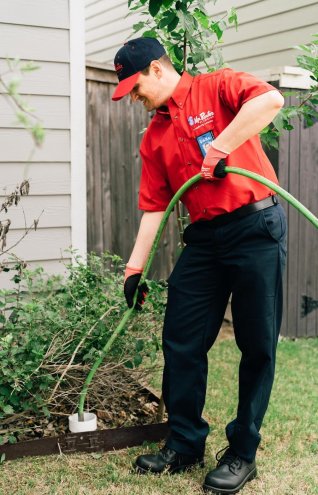
You probably know that hydro jetting is a powerful method for…
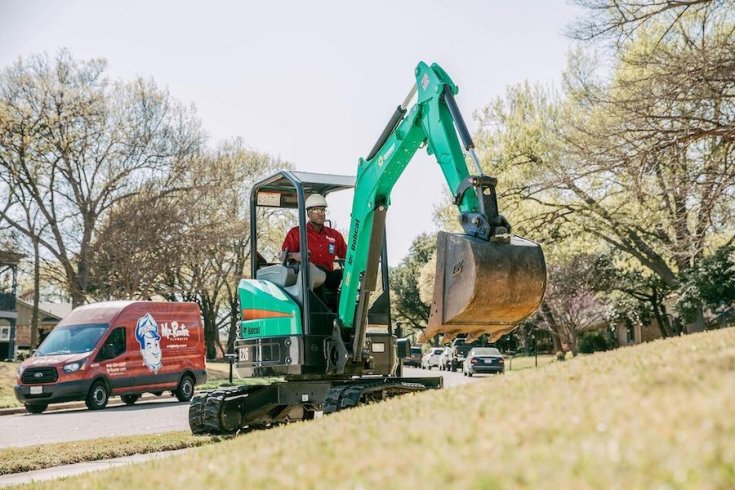
Galvanized pipes were once the standard in homes, especially from the early 1900s through the…
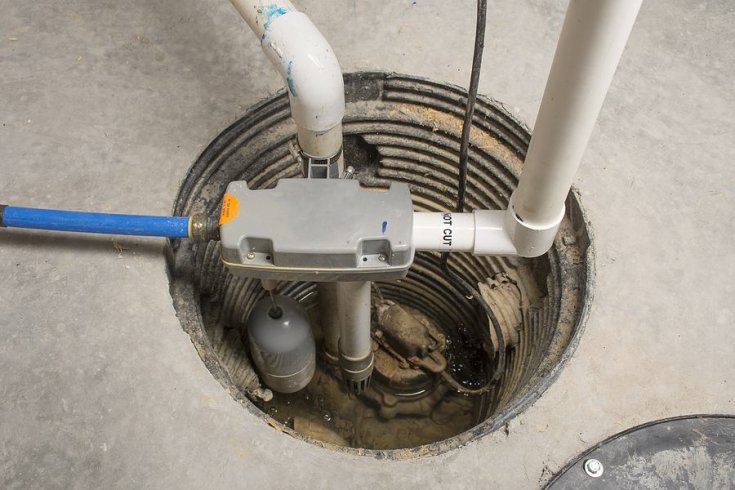
A sump pump is a must for any home with a basement or crawlspace, especially…