
Call This Wednesday to Get $50 Off Any service over $500

Do You Need a Local Plumber in Waco, TX?
Call us Now to Get $35 OFF.
Call This Wednesday to Get $50 Off Any service over $500
Do You Need a Local Plumber in Waco, TX?
Call us Now to Get $35 OFF.
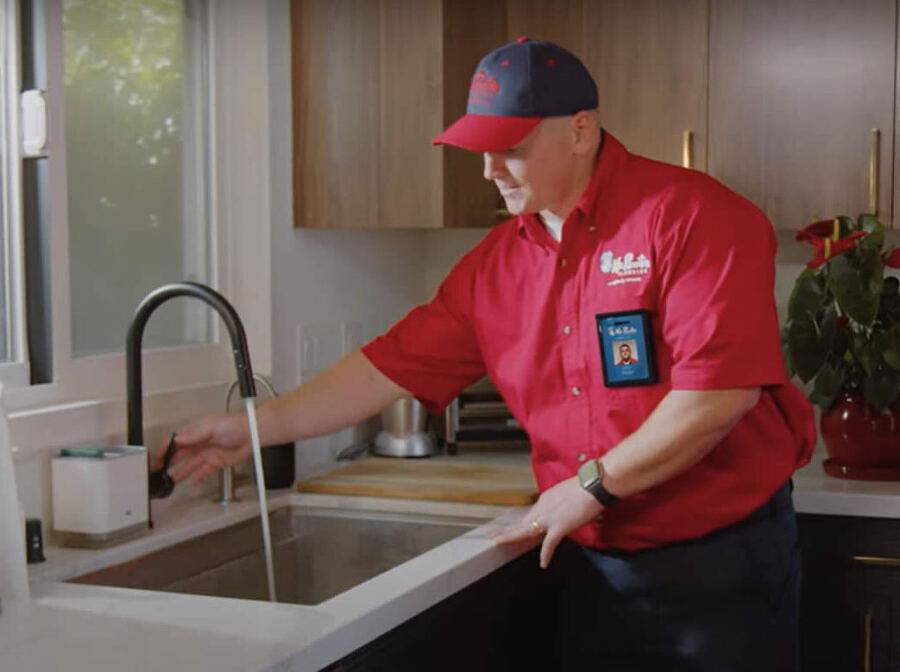
A common nuisance in many homes is a dishwasher that won’t drain, resulting in dirty water bubbling up into the kitchen sink. Your dishwasher is connected to your kitchen sink’s water supply line and drain system. If you have a blockage in either the water supply line or drain line, it will affect your appliance’s performance.
Understanding how your kitchen’s plumbing can affect the dishwasher is a proactive way to keep most problems at bay. As experienced professionals specializing in kitchen plumbing services, we’ve helped countless homeowners solve issues to do with dishwasher backups. In this blog post, we talk about how kitchen plumbing can affect dishwashers.
Dishwashers are connected to the same drain line as the kitchen sink. This shared drainage system means any blockage in the sink drain, garbage disposal, or branch drain can directly impact the dishwasher. When food debris, grease, or soap residue accumulates in the pipes, wastewater may have nowhere to go. As a result, dirty water can back up into the dishwasher or bubble up through the kitchen sink. This is why a slow-draining sink often coincides with a dishwasher that won’t drain properly. If a plunger or drain snake won’t clear a kitchen sink drain clog, contact a local plumbing service for assistance.

If your kitchen has a garbage disposal, it plays a major role in dishwasher performance. The dishwasher drain hose is usually connected to the disposal unit. When the disposal is clogged, improperly installed, or rarely used, it can restrict water flow and cause dishwasher backups. In new installations, a common oversight is failing to remove the knockout plug inside the disposal inlet, which completely blocks dishwasher drainage. Even a partially clogged disposal can slow drainage and cause standing water in the dishwasher.
The position and condition of the dishwasher drain hose are critical. Plumbing codes require a high loop or air gap to prevent dirty sink water from flowing back into the dishwasher. If the hose is installed too low, kinked, or damaged, wastewater can siphon back into the appliance. Poor drain hose configuration often leads to foul odors, dirty dishes, and recurring drainage issues, even if the dishwasher itself is functioning properly.
Kitchen plumbing systems rely on proper venting to allow wastewater to flow smoothly. If drain vents are blocked or improperly designed, negative pressure can form in the pipes. This may cause slow drainage, gurgling sounds, or water being pulled back into the dishwasher after a cycle completes. Venting issues are often overlooked but can affect dishwasher drainage and overall kitchen plumbing performance. Seek help from a local plumbing service when you face venting problems in your home.
Over time, grease, food particles, and detergent residue can coat the inside of kitchen drain pipes. This buildup narrows the pipe diameter and restricts flow, making it harder for dishwasher wastewater to exit the system. Even if the dishwasher filter is clean, clogged plumbing can still cause backups and standing water. Routine drain cleaning and proper disposal habits help keep pipes clear and protect both your sink and dishwasher.
Nobody wants to deal with dishwasher backups every time they run the appliance. If this is an issue you’re dealing with and need professional help, contact Mr. Rooter Plumbing. Our plumbers in Waco, TX have the tools to figure out why your dishwasher is acting up and offer the right solutions. Remember, kitchen plumbing issues do not fix themselves—in fact, they get worse over time. The sooner you address why your dishwasher is backing up into the kitchen sink, the less likely you are to face costly repairs. Call us now for professional kitchen plumbing service that gets your kitchen back to normal.
Have you thought about toilet replacement? If your toilet…
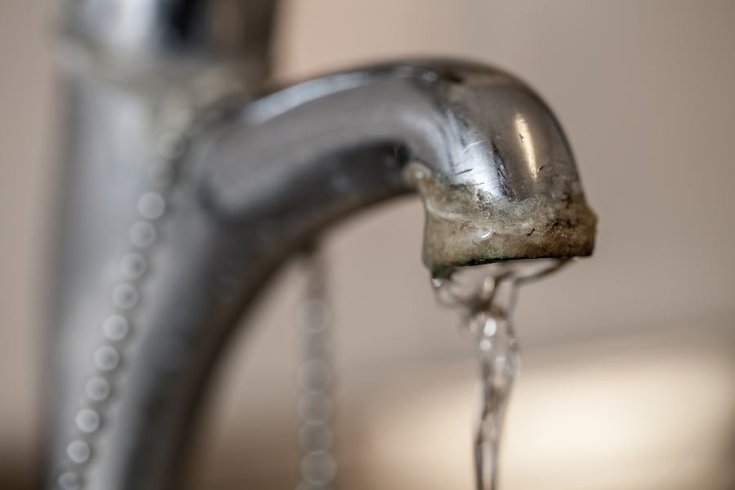
Hard water is a common issue in many homes. While it may not…
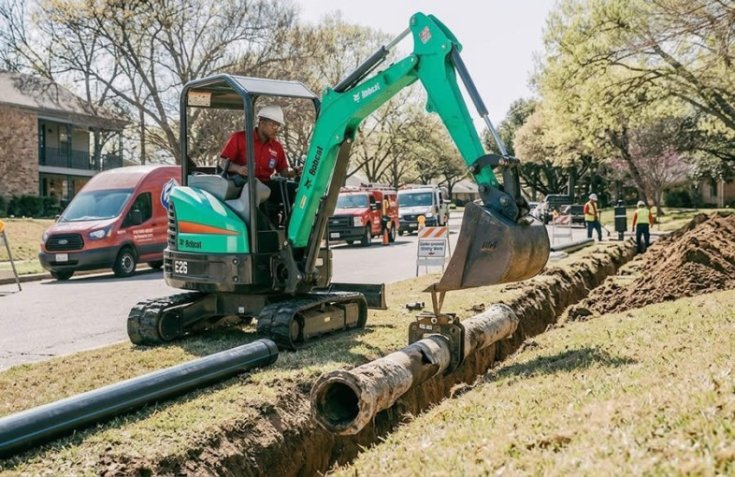
An old water line isn’t just clunky; it can also lower a home’s water pressure…